

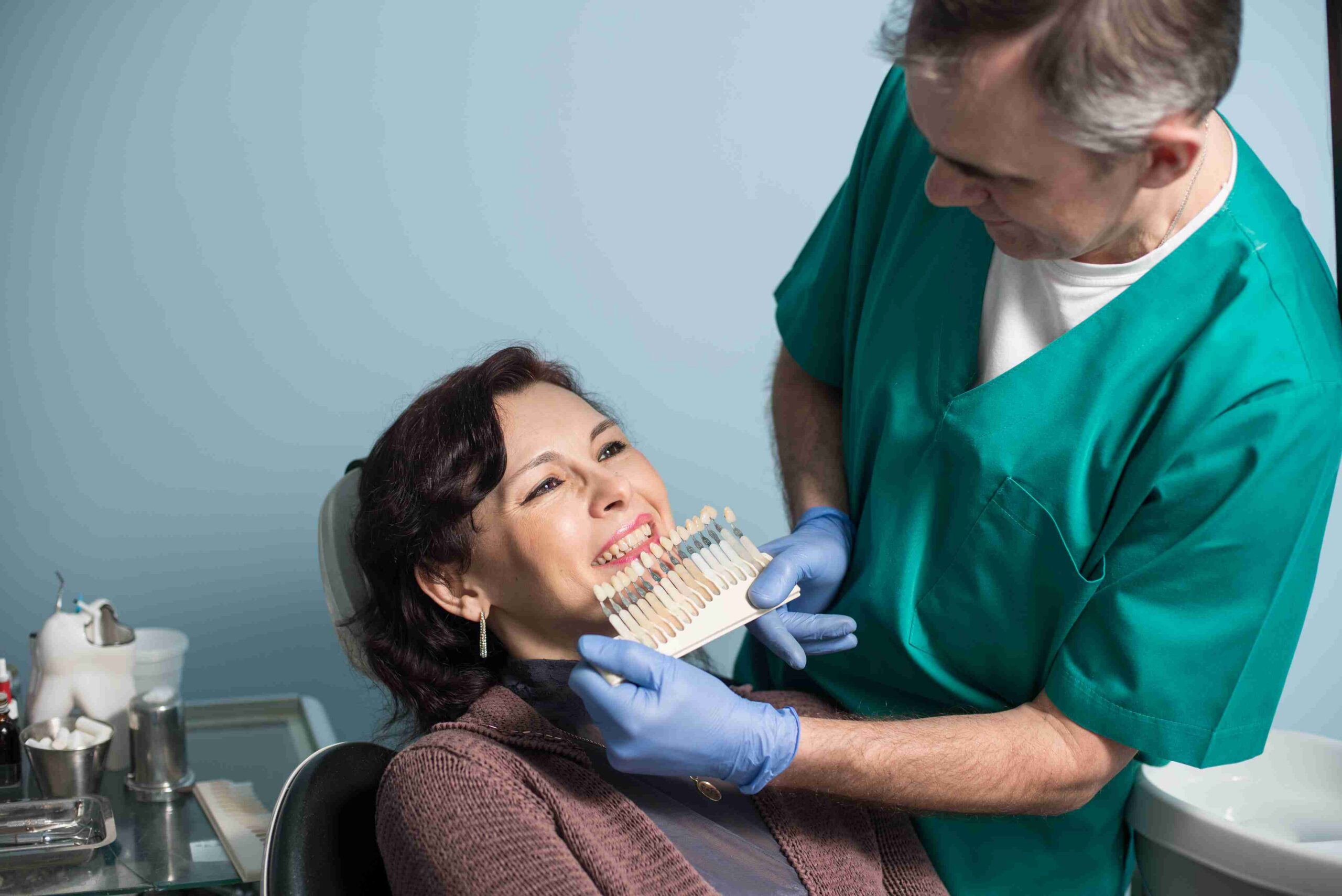
Dental implants in Stonestown, CA may help selected patients replace missing teeth with implant-supported crowns, bridges, or dentures after a complete dental evaluation. Stonestown patients need enough bone support, stable gums, suitable bite pressure, healing ability, and daily cleaning habits. A dentist may compare implants with bridges or removable dentures while also reviewing appearance goals, nearby teeth, emergency tooth loss history, and whether cosmetic treatments such as veneers affect planning.
A missing tooth can change more than the way a smile looks. Chewing may shift to one side; food may collect near the gap, and nearby teeth may slowly move out of position. For Stonestown patients, implant questions often begin with wanting a replacement that feels stable in daily life.
Dental implants in Stonestown, CA may be considered when bone support, gum health, bite pressure, medical history, and home care habits support treatment. The planning process should look at the whole mouth.
Replacing a tooth is not only about closing a space. The new tooth needs to work with nearby teeth, gums, and the patient’s bite over time.
What an Implant-Supported Tooth Does
A dental implant is placed in the jawbone to support a replacement tooth or teeth. After healing, it may hold a crown, bridge, or denture attachment.
For one missing tooth, an implant-supported crown may fill the visible space and help restore chewing support. The crown is shaped to meet the bite and nearby teeth.
The implant sits below the gumline, while the restoration is the part seen and used during chewing.
Planning Begins with the Full Mouth
Dental implants in Stonestown, CA planning starts with an exam of the missing tooth space, nearby teeth, gums, bone, and bite. X-rays or imaging may be recommended to review the area.
The dentist may also ask about smoking, medications, medical conditions, past gum disease, grinding, and healing history. These details can affect suitability.
A full review helps patients understand whether an implant, bridge, denture, or another option may fit their needs.
Bone Support Shapes the Options
Implants need enough healthy bones for support. After tooth loss, bones in that area can shrink or change shape.
The dentist may review bone height, width, and density. If support is limited, additional procedures may be discussed in selected cases.
Some patients may still be candidates after added planning. Others may be better suited for another tooth replacement option.
Gum Health Must Be Stable
Healthy gums help protect both implants and natural teeth. Bleeding, swelling, deeper pockets, or untreated gum disease can affect implant planning.
Before treatment, cleaning or gum care may be recommended. This helps create a healthier foundation for healing.
An implant cannot get a cavity, but the gum and bone around it can become inflamed. Daily cleaning is important.
Why General Evaluation Matters
A dentist in Stonestown, CA can check whether tooth loss is linked to decay, gum disease, cracks, trauma, or bite pressure. Knowing the cause helps guide future care.
Nearby teeth also need to be reviewed. If they are tilted, worn, loose, or heavily restored, the implant plan may need adjustment.
Tooth replacement should not be planned in isolation. The bite and the rest of the mouth need to support the final result.
Emergency Tooth Loss and Next Steps
An emergency dentist in Stonestown, CA visit may happen first if tooth loss follows trauma, severe pain, swelling, or a fracture. The urgent goal is usually diagnosis and stabilization.
If a tooth cannot be saved, replacement planning may happen after the immediate concern is controlled. Healing time and tissue condition can affect timing.
Patients should ask what needs to happen before an implant can be considered. Emergency care and implant care often happen in stages.
Crowns Complete Many Implant Plans
For a single missing tooth, an implant-supported crown often completes the visible replacement. The crown needs to match the space, bite, and nearby teeth.
The dentist checks crown shape, contact points, chewing pressure, and cleaning access. A crown that is difficult to clean can create long-term problems.
Follow-up visits help monitor the restoration, gum tissue, and bite fit after placement.
Appearance and Cosmetic Planning
A missing front tooth can affect shade, symmetry, gumline appearance, and speech. Some patients also compare tooth replacement with veneers in Stonestown, CA when they want broader cosmetic changes.
Veneers change the front surface of selected natural teeth. Implants replace missing teeth. These are different treatments, but they may need coordinated planning.
If whitening or veneers are being considered near an implant crown, shade timing should be discussed before the final restoration is made.
Comparing Implants with Bridges
A bridge replaces a missing tooth by using nearby teeth or implants for support. Traditional bridges often require shaping teeth beside the gap.
An implant-supported crown may avoid reshaping healthy neighboring teeth in selected cases. This can be useful if the nearby teeth are strong.
A bridge may still be preferred if implant surgery is not suitable; bone support is limited, or nearby teeth already need crowns. Both options need care.
Comparing Implants with Removable Dentures
A removable partial denture can replace one or several missing teeth. It may be useful when several spaces need replacement or fixed treatment is not suitable.
Implants may offer stable support in selected cases, but they require surgery, healing, and maintenance. Dentures also require cleaning and fit checks.
Stonestown patients should compare eating, speech, cleaning, comfort, and future repair needs before choosing a replacement.
Bite Pressure Can Affect Longevity
Implants do not have the same cushioning ligament as natural teeth. This makes bite pressure an important part of planning.
Grinding, clenching, worn enamel, jaw soreness, or repeated broken dental work can affect the design. The dentist may check how the teeth meet before treatment.
A balanced bite helps protect the implant crown and nearby teeth. Bite habits should be discussed openly.
Cleaning Around Implant Restorations
Implant restorations need daily cleaning around the gumline. Plaque can collect where a crown, bridge, or attachment meets the tissue.
Patients may need floss, small brushes, floss threaders, or a water flosser. The dental team can show which tools fit the restoration.
Routine visits help monitor gum response, bite fit, and restoration conditions. Implant care continues after the final tooth is placed.
What Patients May Value from Planning
Implant treatment may support tooth replacement when the mouth is suitable.
Patients may value:
- A fixed option for selected missing teeth
- Chewing support
- Help maintaining tooth spacing
- Crown planning for function and appearance
- Bone and gum evaluation
- Bite pressure review
- Comparison with bridges and dentures
- Cleaning guidance for long-term care
- These benefits depend on bone support, gum health, health history, bite, and daily maintenance.
What the Process May Include
Before treatment, the dentist reviews the missing tooth area, nearby teeth, gums, bone, bite, and medical history. Imaging may be recommended.
During treatment, implant placement and restoration usually happen in stages. Healing time varies based on the case.
After healing, the final crown, bridge, or attachment may be completed when the area is ready. Follow-up visits help check comfort, cleaning access, and bite fit.
Local Patient Review
“I wanted to replace a missing tooth and thought the decision would be simple. The visit helped explain why bone, gums, and bite all mattered.”
Replacing Teeth with Long-Term Care in Mind
Implant planning should consider bone, gums, bite, appearance, cleaning access, and future maintenance. Stonestown patients can compare replacement options more clearly after a full evaluation. Nataly Vilderman DDS can help patients understand whether implant care may fit their oral health and daily function needs.
Frequently Asked Questions
Can implants replace one missing tooth?
Yes, an implant may replace one missing tooth when bone, gums, bite, and health history support treatment. An exam is needed first.
Are implants right for every patient?
No, implants are not suitable for everyone. Gum disease, bone loss, health conditions, smoking, or heavy bite pressure may affect planning.
What if my tooth has been missing for years?
Bone and nearby teeth may have changed. Imaging can help show whether implant treatment may still be possible.
Do implants need special cleaning?
Yes, implant restorations need careful daily cleaning. Plaques can irritate the gum and bone around the implant.
Can an implant crown match nearby teeth?
The crown shade and shape can be planned with nearby teeth in mind. Existing restorations and whitening goals may affect timing.
Can I choose a bridge instead?
Possibly. Bridges, dentures, and implants each have different requirements. The right option depends on exam findings.
What if a tooth loss happened after an emergency?
The urgent issue should be treated first. Replacement planning may begin after the area is stable, and healing is reviewed.
How long does implant treatment take?
Timing varies because evaluation, placement, healing, and restoration often happen in stages. Extra procedures can change the schedule.